Domain mogp.de kaufen?
Wir ziehen mit dem Projekt
mogp.de um.
Sind Sie am Kauf der Domain
mogp.de interessiert?
domain@kv-gmbh.de · 0541-91531010
Domain mogp.de kaufen?
Il vestito non fa il monaco?
Il detto "il vestito non fa il monaco" significa che l'aspetto esteriore di una persona non riflette necessariamente la sua vera natura o personalità. Non si può giudicare una persona solo in base al suo abbigliamento o all'apparenza, ma bisogna conoscere anche il suo carattere e le sue azioni. **
Il y a de oder il y a des?
La phrase "Il y a de" est utilisée lorsque l'on parle d'une quantité indéterminée ou non spécifiée d'un objet ou d'une chose. Par exemple, "Il y a de l'eau dans le verre" signifie qu'il y a une certaine quantité d'eau dans le verre, mais on ne précise pas combien. La phrase "Il y a des" est utilisée lorsque l'on parle d'une quantité plurielle ou spécifiée d'objets ou de choses. Par exemple, "Il y a des livres sur l'étagère" signifie qu'il y a plusieurs livres sur l'étagère, mais on ne précise pas combien exactement. **

Ähnliche Suchbegriffe für Nord-Sud-Barbapapà-Il-riciclo
Top-Angebote
Produkte zum Begriff Nord-Sud-Barbapapà-Il-riciclo:


-
Wann benutzt man "il faut" bzw. "il ne faut pas"?
"il faut" wird verwendet, um auszudrücken, dass man etwas tun muss oder dass es notwendig ist, etwas zu tun. "il ne faut pas" wird verwendet, um auszudrücken, dass man etwas nicht tun sollte oder dass es nicht angebracht ist, etwas zu tun. Beide Ausdrücke werden verwendet, um Ratschläge oder Anweisungen zu geben. **
-
Was ist Sud?
Sud ist eine Flüssigkeit, die bei der Zubereitung von Speisen entsteht. Es handelt sich um den Bratensaft, der beim Anbraten von Fleisch oder Gemüse entsteht und oft als Basis für Saucen oder Suppen verwendet wird. Sud kann auch durch das Einlegen von Zutaten in Flüssigkeit entstehen, beispielsweise bei der Zubereitung von eingelegtem Gemüse oder eingelegtem Fisch. **
-
Was ist der Unterschied zwischen "il faut que" und "il faut"?
Der Unterschied zwischen "il faut que" und "il faut" liegt darin, dass "il faut que" eine Konstruktion ist, die einen Subjunktiv erfordert, während "il faut" den Indikativ verwendet. "Il faut que" drückt eine Notwendigkeit oder einen Wunsch aus, der von einer anderen Person oder Sache abhängt, während "il faut" einfach eine allgemeine Aussage über eine Notwendigkeit oder Verpflichtung ist. **
-
Warum heißt es "souhaite-t-il" und nicht "souhaite-s-il"?
Es heißt "souhaite-t-il" und nicht "souhaite-s-il", weil das Verb "souhaiter" in der dritten Person Singular mit einem Bindestrich zwischen dem Stamm des Verbs und dem Pronomen "il" konjugiert wird. Dies geschieht, um die Aussprache zu erleichtern und eine Verwechslung mit dem Pronomen "s" zu vermeiden. **


Welches Land ist Il?
Welches Land ist Il? Diese Frage ist nicht eindeutig, da "Il" kein bekanntes Land ist. Es könnte sich um ein fiktives Land handeln oder um eine Abkürzung für ein Land, die mir nicht bekannt ist. Ohne weitere Informationen ist es schwierig, die Frage zu beantworten. Kannst du bitte mehr Kontext oder Details geben, damit ich dir besser helfen kann? **
Heißt es "Anche voi avete il mare" oder "Anche voi avere il mare"?
Die korrekte Formulierung lautet "Anche voi avete il mare". "Avete" ist die richtige Konjugation des Verbs "avere" (haben) für die zweite Person Plural (ihr). "Avere" bleibt unverändert und wird nicht konjugiert. **
Top-Angebote
Produkte zum Begriff Nord-Sud-Barbapapà-Il-riciclo:
-
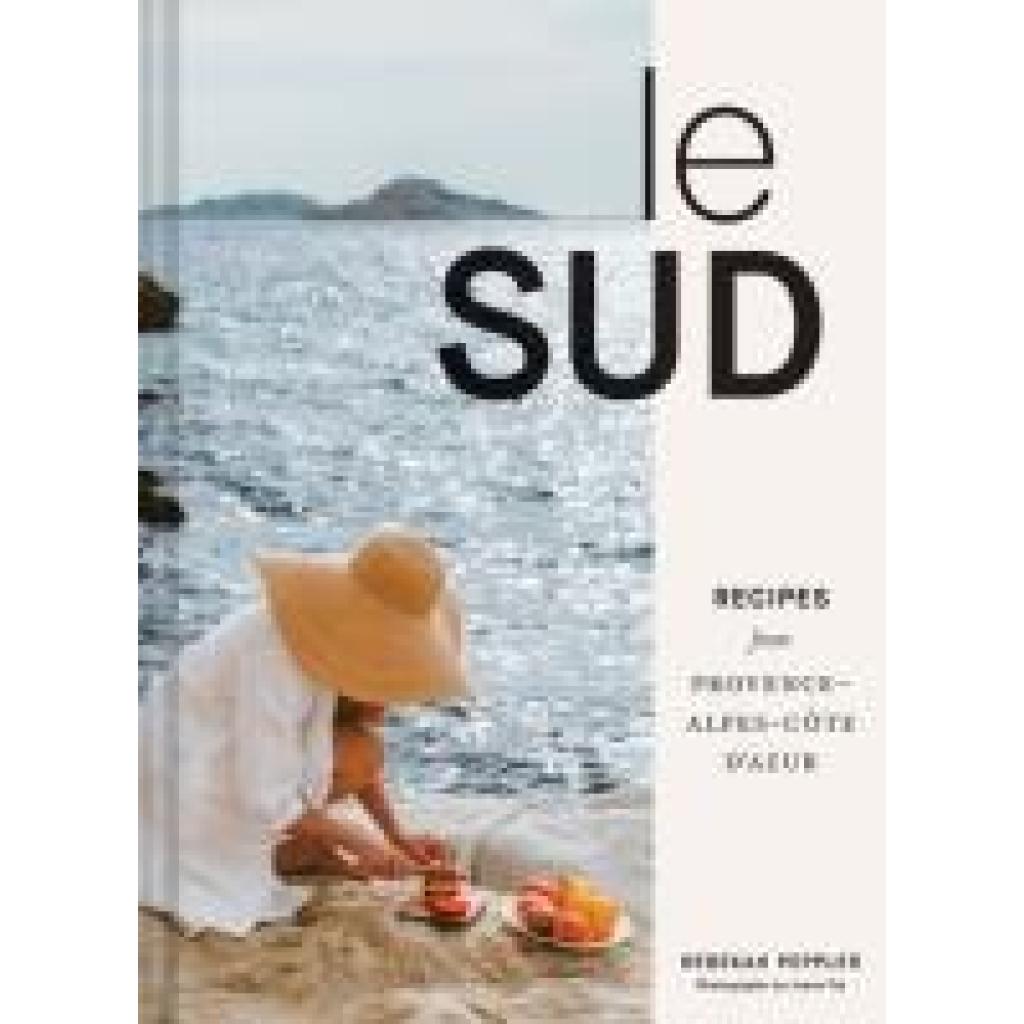
Peppler, Rebekah: Le SudLe Sud , "Looking at the gorgeous photographs, you can’t help but wish you’d been invited to that picnic or long lunch in the shade of silvery olive trees. Peppler emphasizes the ease that comes from cooking with really good seasonal produce. Her recipes are lucid; her writing, relaxed and engaging."— The Wall Street Journal “Peppler’s voice-driven writing is a treat. . . . This sparkling collection will delight foodies and armchair travelers alike.”— Publishers Weekly , Starred Review From James Beard Book Award finalist Rebekah Peppler: The definitive guide to the food, drink, and lifestyle of southeastern Provence-Alpes-Côte d’Azur, featuring recipes that reflect the Provençal table from a modern perspective . The charms of le sud are many. The food culture is vibrant and season-focused; the tables are welcoming and convivial. In Le Sud , Rebekah Peppler distills these flavors, techniques, and spirit of the South of France into a never-before-seen collection of recipes, photographs, and stories. The region—and its many culinary viewpoints—spans from the snowcapped Southern Alps in the north to the French Mediterranean in the south, the Rhône River to the west, and Italy along its eastern border. And like many regions where landscapes and people happily crash into each other, the food is dynamic and exciting. Here are recipes—from drinks to savory to sweet—that capture the modern tables and life lived around them in the south of France today. Le Sud’s transporting photography expands our visual understanding of Provence outside solely lavender fields and endless summer holidays to showcase the geographically and culturally diverse region and its tables. As in À Table —her inspiring cookbook about dining the French way—Peppler’s recipes drip in home cook equity. Interwoven alongside the recipes and photography are fun, informative sidebars that reflect this perspective of eating and drinking in Provence-Alpes-Côte d’Azur and provide an inspiring, approachable guide to the south of France. Sidebars elevate a reader’s knowledge of southeastern French cooking and eating, from the wines of the region to after-dinner drinking to the (modern) Provençal cheese plate. Le Sud is more than a recipe book; it is a dive into and a celebration of this abundant, enchanting region that has long captured the imaginations of many.ACCESSIBLE FRENCH COOKING: With dishes that are easy to make on a weeknight but impressive enough to serve at a party, Le Sud gives home cooks the tools they need to recreate the magic of a Provençal table anywhere in the world. Included are recipes that take you from start—Tapenades, Pissaladière, and Martini Provençal—to mains and sides—Market Day Roast Chicken and Potatoes, The Pasta I Crave Every Time I’m Near the Sea, and Ratatouille—through to the very end of the meal—Navettes, La Tropézienne, and Tarte au Citron. MORE THAN A COOKBOOK: With insight into the staples of South of France living, from Provençal wine to marché must-haves, tips on gathering, and the longstanding tradition of apéro, this book is so much more than a collection of recipes. A GORGEOUS GIFT FOR FRANCOPHILES: Shot in Provence-Alpes-Côte d’Azur, Le Sud is filled with Joann Pai's evocative photography. Readers will feel as if they are traveling through and seated around tables across the south of France.Perfect for: Francophiles the world over, readers with existing memories of France, and those who want to armchair travel alike. Anyone who loves to eat seasonally and cook with fresh ingredients. Relaxed cooks and hosts looking for recipes that are approachable for the home cook. Fans of Rebekah Peppler's work, including À Table , her James Beard Award–nominated book Apéritif , and her writing in the New York Times. People of all ages who like to plan unfussy meals with delicious food and minimal prep. Folks who dream of or are planning a trip to le sud. , > , Erscheinungsjahr: 20240425, Produktform: Leinen, Autoren: Peppler, Rebekah, Illustrator: Pai, Joann, Fotograph: Pai, Joann, Seitenzahl/Blattzahl: 304, Themenüberschrift: COOKING / Regional & Cultural / French, Keyword: rebekah peppler recipes;south of france;french cookbooks;france;french cooking;french food;french cuisine cook book;mediterranean cooking;lgbtq books;provence cookbook;herbs de provence;cooking gifts;food lovers gifts;pride gifts;coastal book, Fachschema: Cote d'Azur~Englische Bücher / Kochbuch~Frankreich / Küche~Kochen / Partyrezepte (allgemein)~Partyrezepte~Provence / Küche~Feier / Party~Party, Fachkategorie: Darstellende Künste~Kochen für Feste~Kochen: Rezepte und Anleitungen~Partys, Etikette und Unterhaltung, Region: Frankreich, Imprint-Titels: Chronicle Books, Warengruppe: HC/Länderküchen, Fachkategorie: Nationale und regionale Küche, UNSPSC: 49019900, Warenverzeichnis für die Außenhandelsstatistik: 49019900, Verlag: Abrams & Chronicle Books, Verlag: Abrams & Chronicle Books, Länge: 259, Breite: 192, Höhe: 29, Gewicht: 1282, Produktform: Gebunden, Genre: Importe, Genre: Importe,28,02 €*Versand: 0,00 €Sichere Weiterleitung zum Anbieter
-
Il vestito non fa il monaco?
Il detto "il vestito non fa il monaco" significa che l'aspetto esteriore di una persona non riflette necessariamente la sua vera natura o personalità. Non si può giudicare una persona solo in base al suo abbigliamento o all'apparenza, ma bisogna conoscere anche il suo carattere e le sue azioni. **
-
Il y a de oder il y a des?
La phrase "Il y a de" est utilisée lorsque l'on parle d'une quantité indéterminée ou non spécifiée d'un objet ou d'une chose. Par exemple, "Il y a de l'eau dans le verre" signifie qu'il y a une certaine quantité d'eau dans le verre, mais on ne précise pas combien. La phrase "Il y a des" est utilisée lorsque l'on parle d'une quantité plurielle ou spécifiée d'objets ou de choses. Par exemple, "Il y a des livres sur l'étagère" signifie qu'il y a plusieurs livres sur l'étagère, mais on ne précise pas combien exactement. **
-
Wann benutzt man "il faut" bzw. "il ne faut pas"?
"il faut" wird verwendet, um auszudrücken, dass man etwas tun muss oder dass es notwendig ist, etwas zu tun. "il ne faut pas" wird verwendet, um auszudrücken, dass man etwas nicht tun sollte oder dass es nicht angebracht ist, etwas zu tun. Beide Ausdrücke werden verwendet, um Ratschläge oder Anweisungen zu geben. **
-
Was ist Sud?
Sud ist eine Flüssigkeit, die bei der Zubereitung von Speisen entsteht. Es handelt sich um den Bratensaft, der beim Anbraten von Fleisch oder Gemüse entsteht und oft als Basis für Saucen oder Suppen verwendet wird. Sud kann auch durch das Einlegen von Zutaten in Flüssigkeit entstehen, beispielsweise bei der Zubereitung von eingelegtem Gemüse oder eingelegtem Fisch. **
Ähnliche Suchbegriffe für Nord-Sud-Barbapapà-Il-riciclo
-
Was ist der Unterschied zwischen "il faut que" und "il faut"?
Der Unterschied zwischen "il faut que" und "il faut" liegt darin, dass "il faut que" eine Konstruktion ist, die einen Subjunktiv erfordert, während "il faut" den Indikativ verwendet. "Il faut que" drückt eine Notwendigkeit oder einen Wunsch aus, der von einer anderen Person oder Sache abhängt, während "il faut" einfach eine allgemeine Aussage über eine Notwendigkeit oder Verpflichtung ist. **
-
Warum heißt es "souhaite-t-il" und nicht "souhaite-s-il"?
Es heißt "souhaite-t-il" und nicht "souhaite-s-il", weil das Verb "souhaiter" in der dritten Person Singular mit einem Bindestrich zwischen dem Stamm des Verbs und dem Pronomen "il" konjugiert wird. Dies geschieht, um die Aussprache zu erleichtern und eine Verwechslung mit dem Pronomen "s" zu vermeiden. **
-
Welches Land ist Il?
Welches Land ist Il? Diese Frage ist nicht eindeutig, da "Il" kein bekanntes Land ist. Es könnte sich um ein fiktives Land handeln oder um eine Abkürzung für ein Land, die mir nicht bekannt ist. Ohne weitere Informationen ist es schwierig, die Frage zu beantworten. Kannst du bitte mehr Kontext oder Details geben, damit ich dir besser helfen kann? **
-
Heißt es "Anche voi avete il mare" oder "Anche voi avere il mare"?
Die korrekte Formulierung lautet "Anche voi avete il mare". "Avete" ist die richtige Konjugation des Verbs "avere" (haben) für die zweite Person Plural (ihr). "Avere" bleibt unverändert und wird nicht konjugiert. **
* Alle Preise verstehen sich inklusive der gesetzlichen Mehrwertsteuer und ggf. zuzüglich Versandkosten. Die Angebotsinformationen basieren auf den Angaben des jeweiligen Shops und werden über automatisierte Prozesse aktualisiert. Eine Aktualisierung in Echtzeit findet nicht statt, so dass es im Einzelfall zu Abweichungen kommen kann. ** Hinweis: Teile dieses Inhalts wurden von KI erstellt.